
Traditional Charcoal-Making Techniques in Vietnam
Traditional Charcoal-Making Techniques: A Craft Built on Experience
Traditional charcoal-making techniques in Vietnam’s Mekong Delta combine practical knowledge, manual work and patience.
The process begins with carefully prepared wood and continues through a series of traditional steps inside the kiln.
These include:
- Hand-stacking the wood
- Sealing the kiln with clay
- Managing airflow
- Monitoring the carbonization process
- Cooling the kiln
- Harvesting and sorting the charcoal
Each stage contributes to the transformation of hardwood into natural charcoal.
1. Preparing and Stacking the Wood
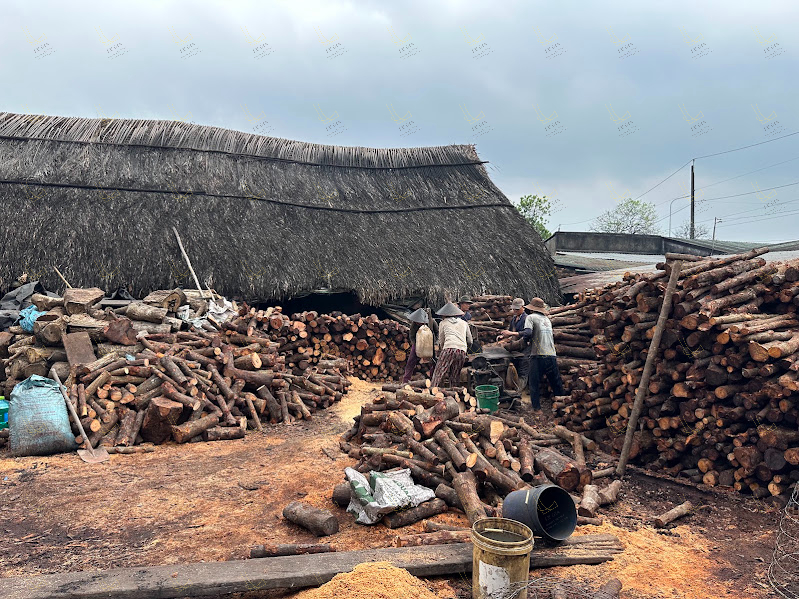
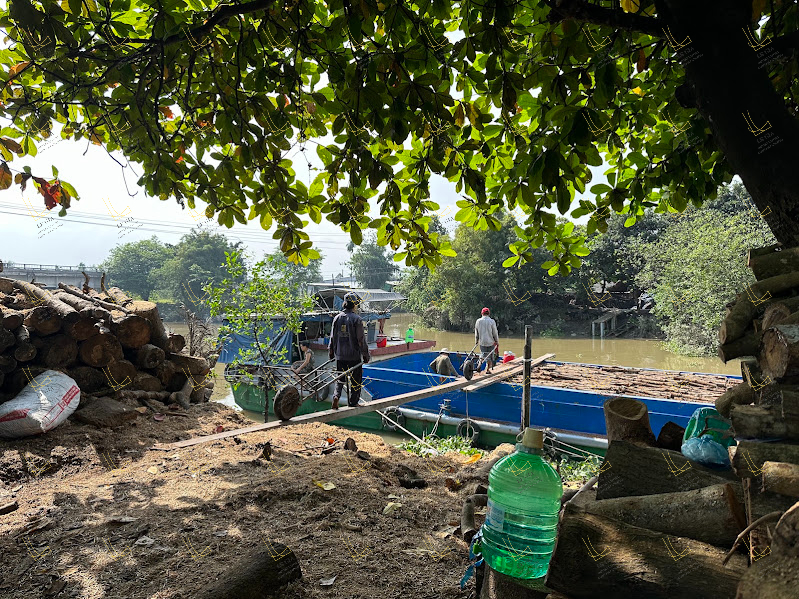
The process begins with selected wood that has already been prepared for carbonization.
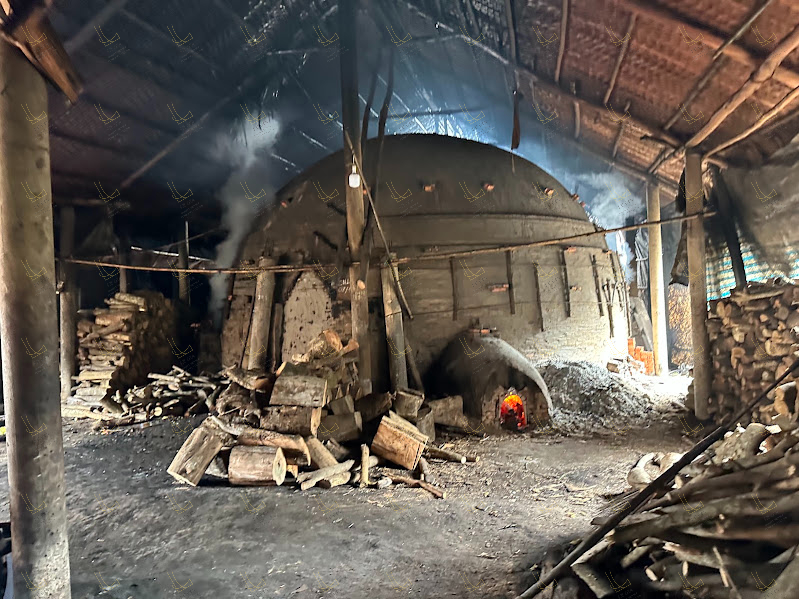
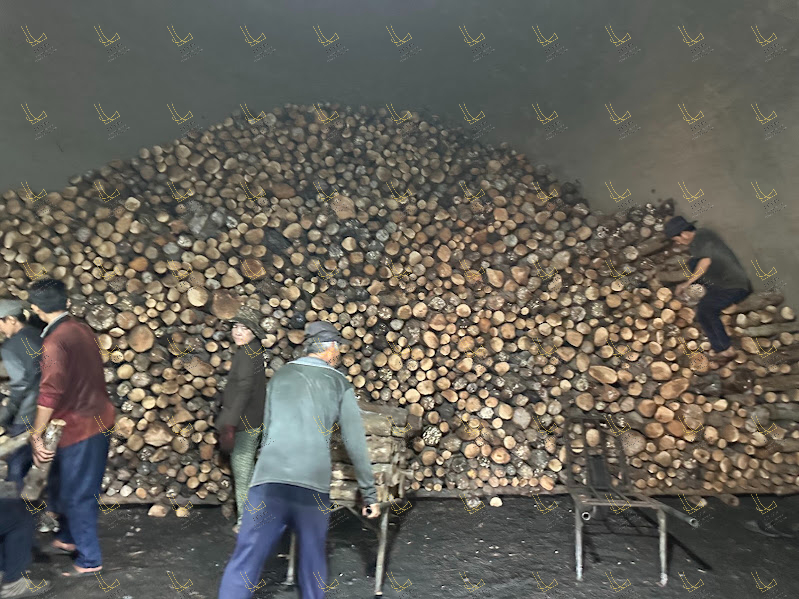
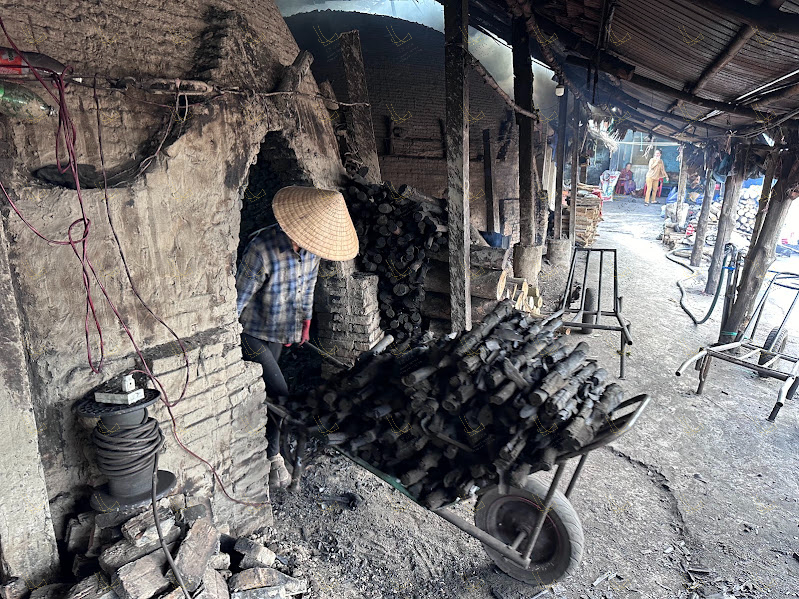
The wood is manually arranged inside the traditional kiln.
Workers carefully position the pieces to create a compact structure while allowing the carbonization process to develop throughout the kiln.
Although stacking may appear straightforward, the task requires experience.
The arrangement needs to support the movement of heat through the wood during the long carbonization cycle.
2. Sealing the Kiln with Local Clay
Once the wood has been loaded, the kiln openings are carefully sealed.
The traditional process featured in our documentary uses local clay for this purpose.
The sealing helps control oxygen entering the kiln.
This is essential because the objective is controlled carbonization rather than uncontrolled burning.
The use of clay also reflects the traditional nature of the production process and the use of locally available materials.
3. Managing Heat and Airflow
Once the kiln is ignited, the carbonization process begins.
Heat gradually moves through the stacked wood.
During this stage, workers monitor the kiln and manage the conditions based on their experience.
The process requires attention because excessive heat or uncontrolled combustion can affect the transformation of the wood.
The objective is to allow carbonization to progress gradually over time.
4. The 45–55 Day Carbonization Cycle
According to the production process presented in our documentary series, carbonization can take approximately 45–55 days.
This long period is one of the defining characteristics of the traditional process.
The actual duration can be influenced by conditions such as the wood and the kiln.
Throughout the process, workers remain involved in monitoring the kiln.
This is where experience becomes particularly important.
Traditional charcoal production cannot be separated from the knowledge of the people who operate the kiln.
5. Cooling the Kiln
Once carbonization has been completed, the kiln is allowed to cool.
The cooling stage is an important part of the process before the kiln can be opened and the charcoal harvested.
The charcoal needs to be handled carefully after the long carbonization cycle.
Once the kiln has cooled sufficiently, workers can begin the harvesting process.
6. Harvesting and Sorting
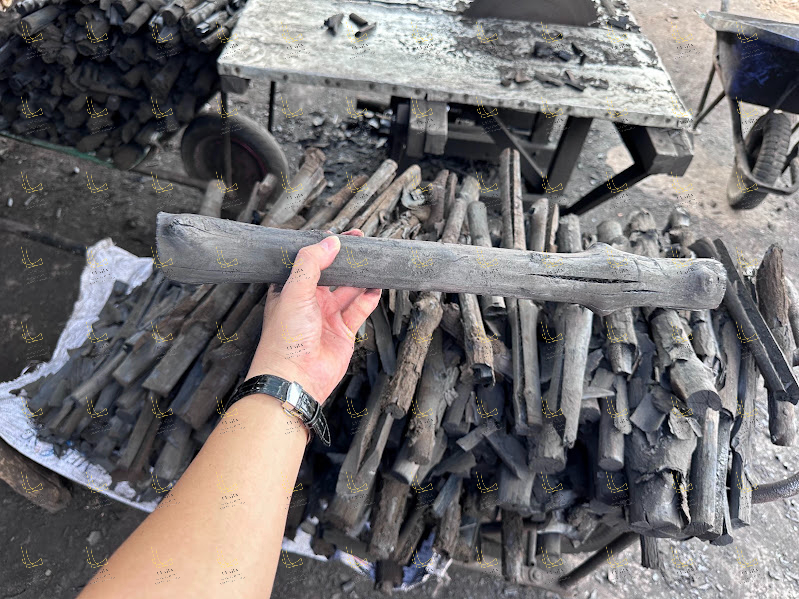
After cooling, the charcoal is carefully removed from the kiln.
Workers inspect the production batch and sort the charcoal according to the required specifications.
Depending on the intended application, charcoal can be sorted by size and prepared for subsequent processing.
This stage connects the traditional production process with the requirements of modern customers.
From Traditional Craft to Export Product
Traditional charcoal-making techniques provide the foundation of production.
However, the journey does not end at the kiln.
For international customers, the charcoal must continue through:
Harvesting
↓
Sorting
↓
Quality Inspection
↓
Size Selection
↓
Packaging
↓
Export
This combination allows traditional craftsmanship to be connected with modern international trade.
At Le Gia Import Export Co Ltd, we work with natural hardwood charcoal from Vietnam and provide customers with product and packaging options according to their requirements.
Why We Share the Traditional Process
At Le Gia, we believe that a product has greater meaning when customers understand its origin.
A piece of Vietnamese charcoal represents more than the finished product.
Behind it are:
🌳 Selected hardwood
🔥 Traditional carbonization
👨🏭 Skilled workers
🏠 Traditional kilns
⏳ Patience
🇻🇳 Vietnamese craftsmanship
The traditional charcoal-making techniques of the Mekong Delta are part of the heritage behind the natural hardwood charcoal we supply to international markets.
Watch Charcoal Diary – Part 4
🎬 Watch the full documentary: Traditional Charcoal-Making Techniques in Vietnam
The final episode of our Charcoal Diary series takes you inside the traditional kiln and shows the key stages of the production process.
Source: “Viet Nam Dat Nuoc Con Nguoi”
← Part 3: Traditional Charcoal Kilns in Vietnam
→ Back to Part 1: Traditional Charcoal Making in Vietnam
Looking for Natural Hardwood Charcoal from Vietnam?
Le Gia Import Export Co., Ltd. specializes in natural hardwood charcoal from Vietnam, including:
🌳Mangrove Charcoal
🌳 Longan Charcoal
🌳 Eucalyptus Charcoal
We supply international importers, distributors, BBQ businesses and restaurant customers.
We can discuss:
✔ Product type
✔ Charcoal size
✔ Packaging requirements
✔ OEM / private-label packaging
✔ Container loading
✔ Export specifications
 Supplier Premium Natural Charcoal from Vietnam
Le Gia Import Export Co., Ltd.
 “Responsible Partnership, Greater Value”