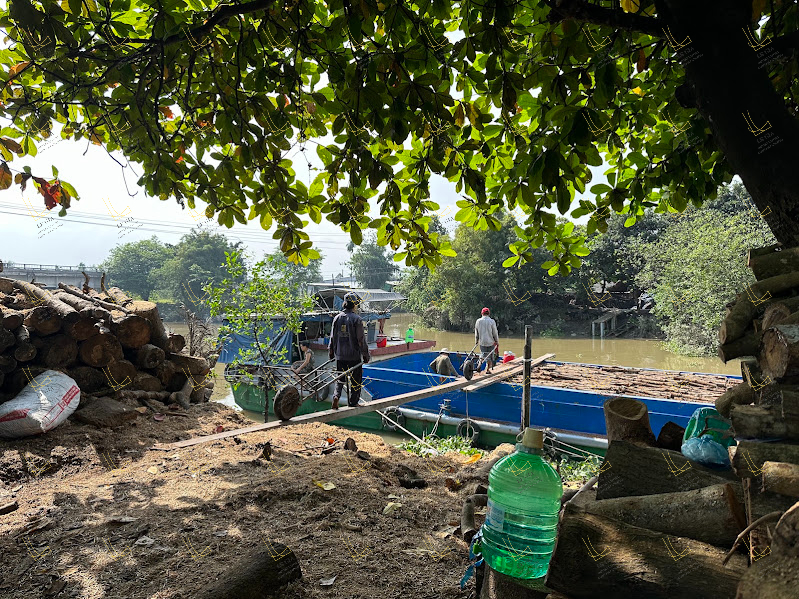

Traditional Charcoal Kilns in Vietnam – The Heart of Charcoal Production
Traditional Charcoal Kilns: Where the Craft Comes Together
Traditional charcoal kilns are at the heart of the traditional charcoal-making process in Vietnam’s Mekong Delta.
For generations, local charcoal makers have used practical knowledge to construct and operate these kilns, transforming carefully prepared wood into natural charcoal through a long carbonization process.
The kiln is more than a place where wood is burned.
It is an environment where heat, airflow, wood arrangement and time must work together.
For the artisans operating the kiln, understanding these conditions is an important part of their experience and craftsmanship.
How Are Traditional Charcoal Kilns Built?
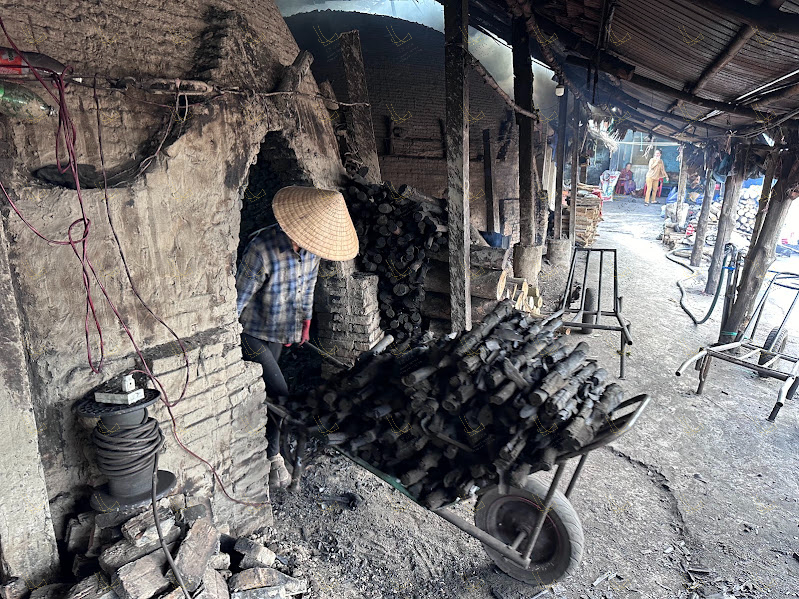
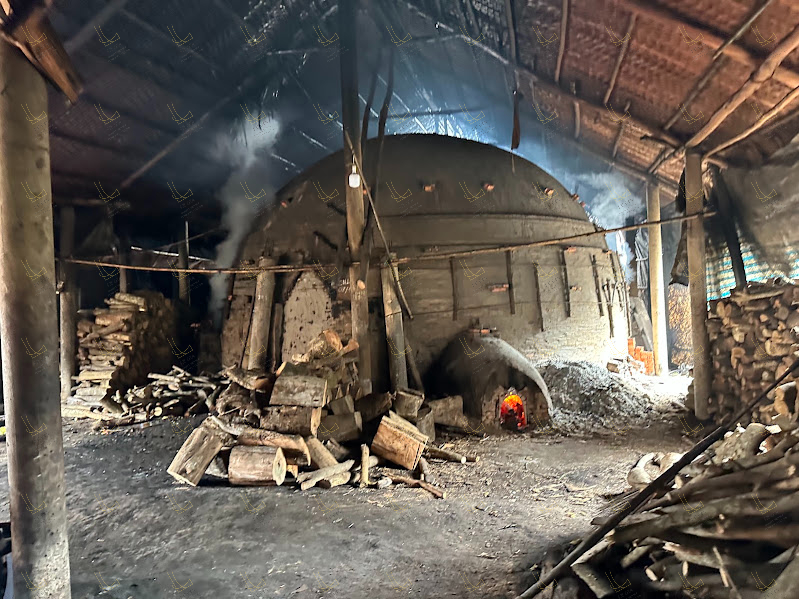
The traditional charcoal kilns featured in our documentary series are constructed using clay bricks and earth from the local area.
The structure is designed to retain heat and allow airflow to be managed during carbonization.
Although the construction may appear simple, the kiln plays a critical role in the production process.
Its structure needs to support the long carbonization cycle while allowing workers to control the conditions inside.
This practical knowledge has been developed through experience and passed between generations of charcoal makers.
The Importance of Airflow
Airflow is one of the important factors in traditional charcoal production.
The objective is not simply to burn the wood.
Instead, the process requires controlled conditions that allow the wood to undergo carbonization.
Too much uncontrolled oxygen can lead to excessive combustion.
Therefore, the kiln is carefully prepared and sealed to help control the conditions during the production cycle.
This is one reason why traditional charcoal-making requires experience rather than simply placing wood inside a kiln and lighting a fire.
Loading the Wood Inside the Kiln
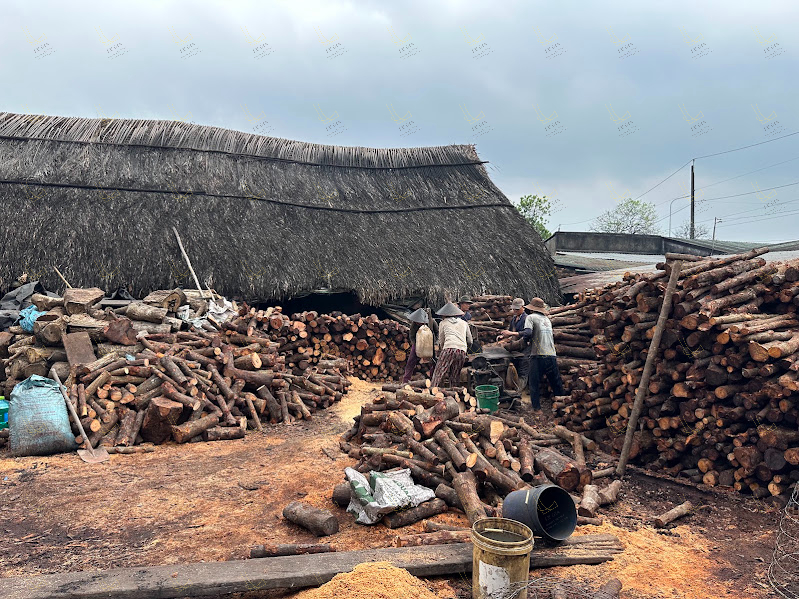
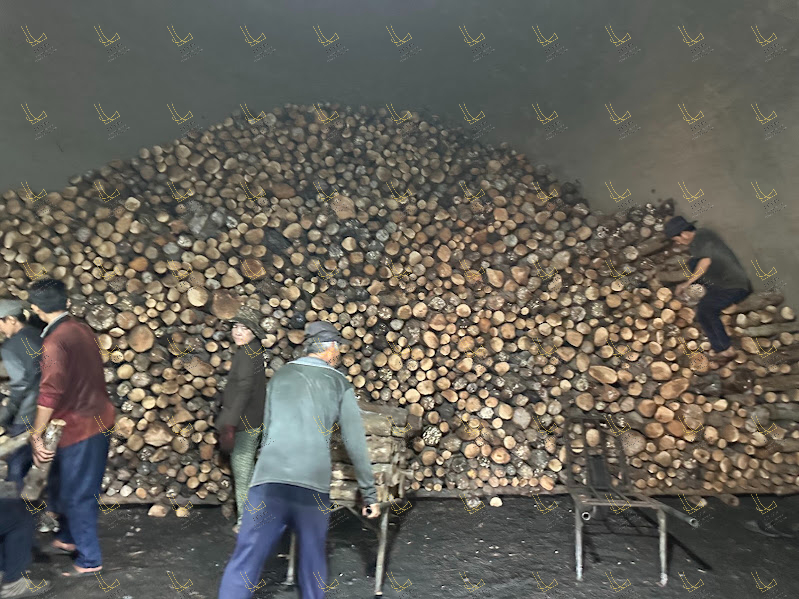
Before carbonization begins, selected wood is arranged inside the kiln.
The wood needs to be placed carefully to create a suitable structure for the carbonization process.
The arrangement of the wood affects how heat moves through the kiln.
Experienced workers therefore pay attention to the way the logs are stacked and positioned.
This stage connects the preparation of the raw material with the next stage of the production process.
Sealing the Kiln
After the kiln has been loaded, the openings are carefully sealed.
In the traditional process featured in our documentary, local clay is used for sealing.
The purpose is to help control oxygen entering the kiln during carbonization.
This simple material plays an important role in the traditional production method.
The sealing process also demonstrates how local materials and practical knowledge have been combined to operate these kilns.
A Long Carbonization Process
The carbonization process described in our production series can take approximately 45–55 days.
During this period, workers monitor the kiln and manage the process based on their experience.
The long duration reflects the slow nature of traditional charcoal production.
It requires patience and continuous attention.
The charcoal maker cannot simply accelerate the process without potentially affecting the transformation of the wood.
Traditional Knowledge Passed Through Generations
One of the most interesting aspects of traditional charcoal kilns is the knowledge required to operate them.
Much of this knowledge comes from practical experience.
Workers learn to observe the kiln, understand the progress of carbonization and respond to changing conditions.
This creates a form of craftsmanship that is difficult to separate from the community where it developed.
The kiln itself may be made from relatively simple materials, but its successful operation depends on the experience of the people working with it.
Traditional Kilns and Modern Export Markets
Traditional production and modern international trade serve different purposes, but they can work together.
The traditional kiln provides the foundation for carbonization.
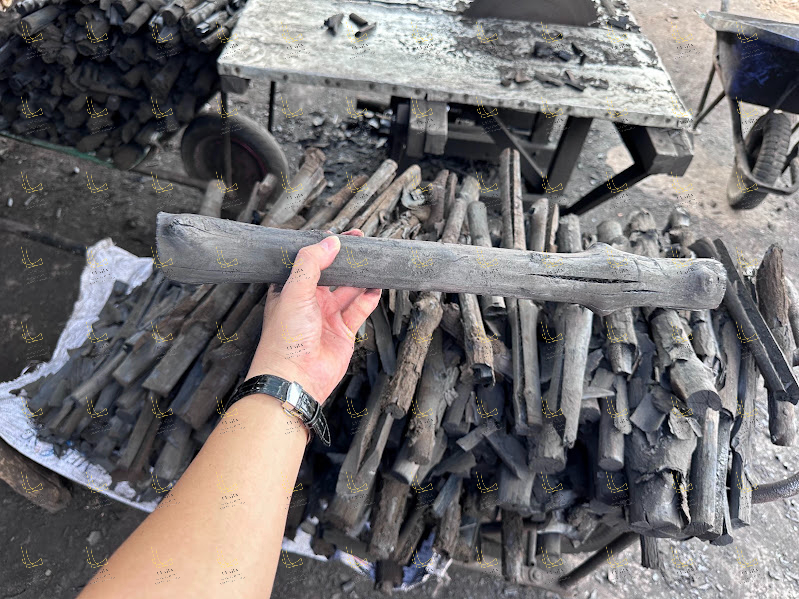
After carbonization and cooling, the charcoal can continue through modern quality-control and export processes:
Carbonization
↓
Cooling
↓
Harvesting
↓
Sorting
↓
Quality Control
↓
Packaging
↓
International Export
At Le Gia, we connect natural hardwood charcoal from Vietnam with international customers while maintaining professional standards for product specifications, packaging and export documentation.
From the Mekong Delta to the World
The traditional charcoal kiln is an important part of the story behind Vietnamese charcoal.
It represents the combination of:
🔥 Heat
🌳 Hardwood
🏠 Traditional kiln construction
👨🏭 Human experience
⏳ Patience
🌏 Generational knowledge
For us, sharing this story is a way of helping international customers understand more about the origin of Vietnamese natural hardwood charcoal.
Watch Charcoal Diary – Part 3
🎬 Watch the full documentary: Traditional Charcoal Kilns of the Mekong Delta
The video takes you inside the traditional charcoal kiln and shows how these structures are built and operated.
Source: “Viet Nam Dat Nuoc Con Nguoi”
← Part 2: Traditional Charcoal Villages in Vietnam’s Mekong Delta
→ Part 4: Traditional Charcoal-Making Techniques in Vietnam
Looking for Natural Hardwood Charcoal from Vietnam?
Le Gia Import Export Co Ltd. supplies natural hardwood charcoal from Vietnam to international importers, distributors, BBQ businesses and restaurants.
Our product range includes:
🌳 Mangrove Charcoal
🌳 Longan Charcoal
🌳 Eucalyptus Charcoal
We can discuss product specifications, charcoal size, packaging and export requirements according to your market.
 Supplier Premium Natural Charcoal from Vietnam
Le Gia Import Export Co., Ltd.
 “Responsible Partnership, Greater Value”